Our guides focus on home fit, everyday use, upkeep, and value. Retailer links in this story are ordinary links; no commission is earned from them. Read our affiliate disclosure.
In this story
The same warm room can need different equipment
A hot, dry room in an inland climate presents a different problem from a humid bedroom during a coastal summer. Before comparing prices, record the room conditions and check what type of cooling the listing describes. Products with a water tank and fan are sometimes placed beside refrigerant-based portable air conditioners, but they do not work the same way.
Also decide whether you need a lower room temperature or simply moving air at a chair. A fan can change personal comfort without performing the same job as an air conditioner. Choosing the category correctly saves more frustration than comparing features within the wrong category.
Evaporative cooling depends on the air
The US Department of Energy explains that evaporative coolers are suited to low-humidity conditions and add moisture as water evaporates. Their usefulness depends on the climate and the ventilation arrangement. They should not be treated as a universal substitute for air conditioning in a humid room.
Read the exact product’s instructions for water, airflow, windows or ventilation, and maintenance. A full tank, moving fan, and cold-looking photograph do not establish how much cooling will occur in your home. Avoid buying from a listing that blurs the category.
| Question | Portable AC | Evaporative cooler |
|---|---|---|
| Cooling method | Refrigerant-based heat transfer | Water evaporation |
| Critical fit check | Exhaust installation and sizing | Low humidity and appropriate ventilation |
| Care to investigate | Filters, condensate, window kit | Tank and cooling media |
| Do not assume | Every capacity label uses the same test | A water tank makes it equivalent to AC |
Portable AC needs a workable exhaust path
A refrigerant-based portable air conditioner moves heat out of the room through the installation described in its manual, typically involving an exhaust arrangement. Check the window type, included kit, hose limits, clearances, and any building restrictions before ordering.
Compare the rating used for the exact regional model. Portable AC listings may show more than one capacity measure, so do not compare a large headline figure on one product with a different rating on another. Use manufacturer sizing guidance for your room, including the conditions it identifies.
The room is more than its floor area
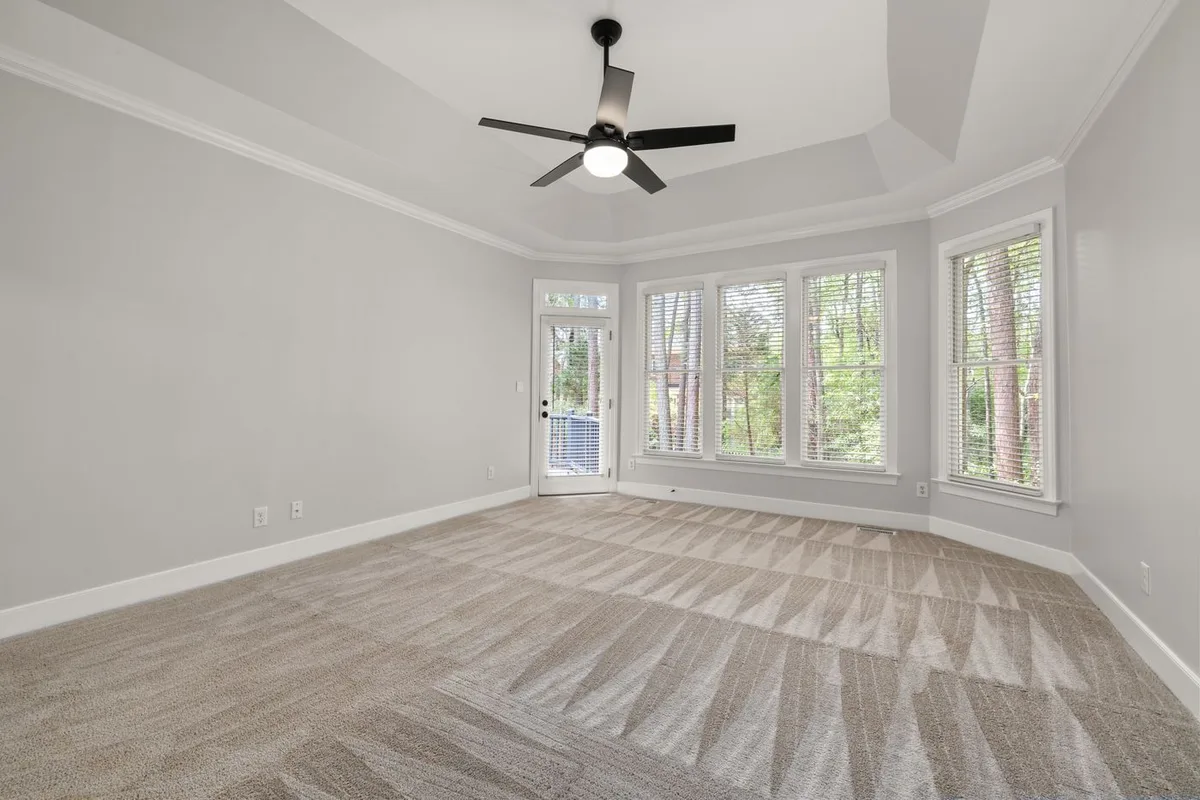
Sun exposure, ceiling height, doors to adjacent rooms, and heat-producing equipment can affect the workload. A small west-facing room with large windows may differ from a shaded room of equal size. Record these conditions and use the manufacturer’s sizing process rather than assuming square footage answers everything.
Consider where you sleep or take calls. Look at operating modes and published noise conditions, but remember that room placement changes how sound is experienced. Keep access to controls and maintenance points clear.
Compare the complete ownership routine
For an evaporative cooler, include tank care, water handling, and the specified maintenance of cooling media. For a portable AC, check filters, drainage or condensate instructions, seasonal storage, and window-kit removal. Follow the electrical and installation requirements for either category.
Choose only after confirming that the equipment can be installed and maintained as intended. In humid conditions with a suitable exhaust path, investigate actual portable AC. In a dry climate, an evaporative cooler may deserve consideration when its ventilation requirements fit. If neither installation works, seek a suitable alternative rather than forcing an unsuitable appliance into the room.
The considered choice
Climate and installation decide the category. Compare exact capacity ratings and the full maintenance routine after those questions are settled.
A few common questions
Does adding ice turn an evaporative cooler into an AC?
No. It remains a different cooling method; evaluate the manufacturer’s intended climate and ventilation conditions.
Can portable AC work without exhausting heat as instructed?
Follow the exact installation requirements. Do not assume it will cool properly with the exhaust left inside the room.
Sources & further reading
- U.S. Department of Energy: Home Cooling 101 — checked 2026-10-03
This is a research-based buying guide. We do not claim hands-on testing of the products linked here. Product details and availability can change. How we work · Suggest a correction