Our guides focus on home fit, everyday use, upkeep, and value. Retailer links in this story are ordinary links; no commission is earned from them. Read our affiliate disclosure.
In this story
Start with the heaviest bowl and smallest dose
A kitchen scale purchase has two ends: the heaviest load you expect to weigh and the smallest useful change you need to see. Bread dough in a substantial mixing bowl is a capacity problem. Adjusting a small coffee dose is a resolution problem. One compact device may handle both, but the specifications need to match both jobs.
Bring your real equipment into the decision. Weighing a pot, a full mixing bowl, or a tall coffee server presents different visibility and stability challenges. This is a guide based on published product details and practical workflows, not a laboratory assessment of accuracy.
Understand what the numbers actually mean
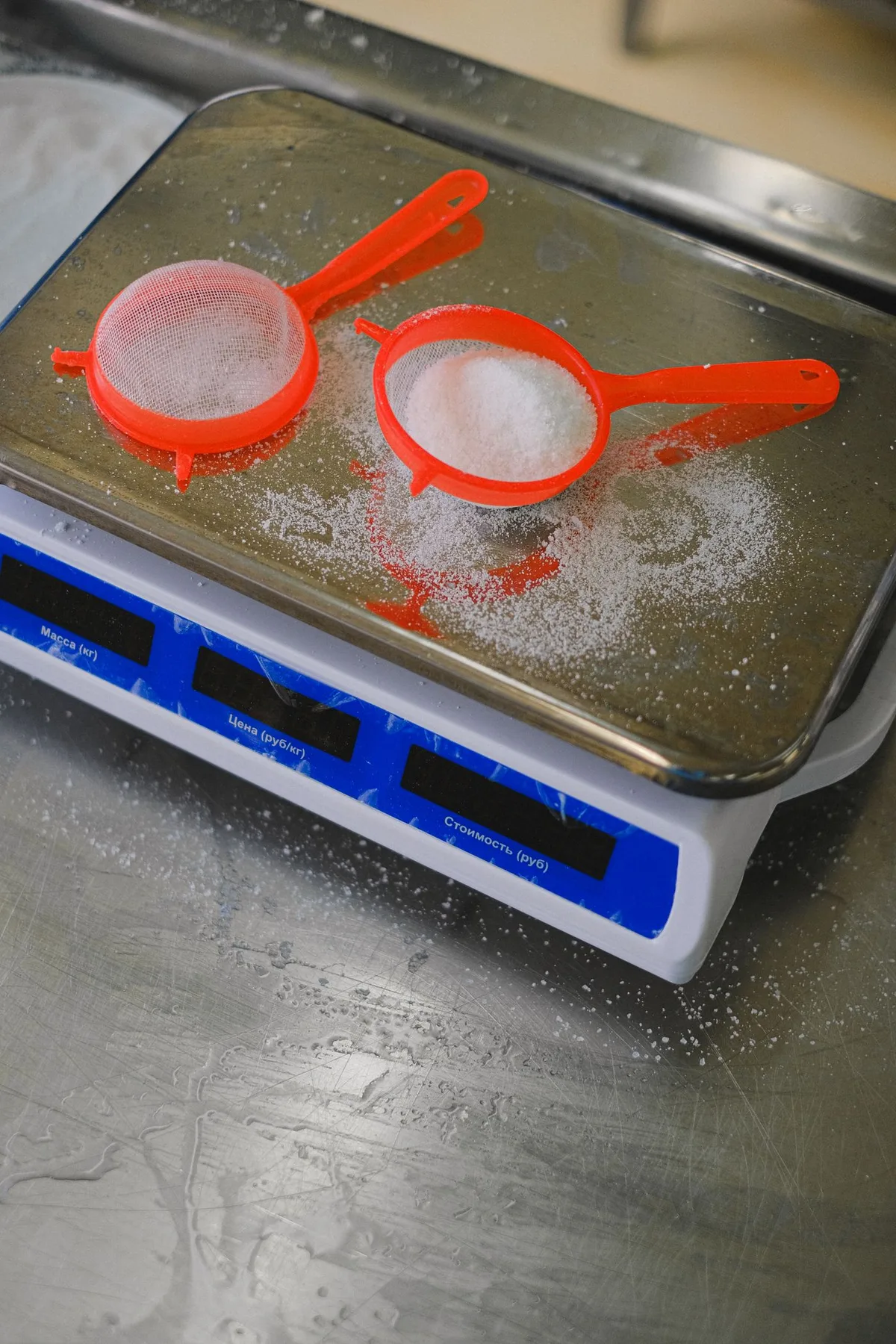
OXO's 11-pound stainless-steel food scale displays 1-gram or 0.1-ounce increments and has a pull-out display. Its 6-pound Precision Scale with Timer displays 0.1-gram increments from a stated minimum of 0.5 gram. These examples illustrate the tradeoff between higher capacity and finer displayed steps.
Resolution is the size of the displayed increment, not proof of equal accuracy under every condition. A display showing tenths of a gram does not establish that it measures every load within one tenth. Minimum load, repeatability, and capacity still matter. Do not use an ordinary kitchen scale for a task requiring a certified or specialized measuring instrument.
| Main use | Useful specification | Example to compare |
|---|---|---|
| Bread and general baking | Capacity and visible display | OXO 11-lb scale: 1-g increments |
| Pour-over coffee | Finer increments and timer | OXO 6-lb Precision: 0.1-g steps from 0.5 g |
| Large batches in heavy bowls | Total bowl-plus-food load | Choose capacity with headroom |
Use tare without forgetting total capacity
Tare resets the displayed reading after a bowl or ingredient has been placed on the platform. That lets you add flour, reset, add water, and continue in one bowl. It saves arithmetic and extra measuring vessels, but the bowl and previous ingredients still physically sit on the scale.
For example, a heavy bowl leaves less capacity available for dough than a light bowl on the same scale. Compare the total expected load with the manufacturer's limit. If a large bread batch routinely approaches that limit, prioritize capacity before paying for tenths-of-a-gram readouts that you will rarely need.
Visibility and shutoff change daily usability
A large bowl can overhang a small platform and hide its display. OXO's pull-out design directly addresses that problem, but you can also compare platform height, display angle, and the shape of your usual bowl. An illuminated screen helps only if you can actually see it.
For coffee, check whether the scale fits the brewer or drip tray while leaving room to read the numbers. For baking, check the auto-off behavior during a pause to find another ingredient. OXO says its Precision Scale's auto shutoff can be disabled while the timer is in use. Confirm the exact behavior rather than assuming every timer-equipped model stays awake indefinitely.
Build a repeatable weighing habit
Use a firm, level surface and ensure the bowl rests only on the platform. A bowl touching the backsplash or a utensil supported by the counter can interfere with the reading. Select the recipe's unit before adding ingredients, then approach the target gradually instead of dumping a whole bag at once.
Keep flour and liquid away from the controls and underside. Follow the model's cleaning directions; a smooth wipeable surface does not mean the whole electronic scale can be submerged. A stored scale also needs a place where heavy cookware will not continually press on its platform or buttons.
Spend on the feature that removes friction
For ordinary baking, a readable 1-gram scale with enough capacity is a sensible starting point. For pour-over coffee, finer increments and an integrated timer can make the process easier to repeat. If your current scale already handles your recipes comfortably, an app or another decimal place may add little.
Before buying, check battery type, replacement availability, the seller's return terms, and whether you can use the controls with your normal bowl in place. Compare the two OXO examples by those tasks rather than declaring a universal winner. A scale earns its place when it is easy enough to reach for every time.
The considered choice
Match capacity to the whole loaded bowl and resolution to the smallest ingredient adjustment. Readability and a dependable routine often matter more than extra features.
Put the guide to work
Take your measurements and must-have list with you. These retailers are useful places to compare options; check the exact listing, current price, delivery terms, and return policy before buying.
A few common questions
Does pressing tare restore the full capacity?
No. It changes the displayed zero, while the bowl and ingredients still count toward the scale's physical load limit.
Is a 0.1-gram display automatically more accurate?
No. Display resolution and measurement accuracy are different specifications. Choose an appropriate instrument for the task and avoid inferring accuracy from decimal places.
Sources & further reading
- OXO 11-lb stainless-steel scale specifications — checked 2026-10-03
- OXO 6-lb Precision Scale with Timer specifications — checked 2026-10-03
- OXO: design considerations for a pull-out food-scale display — checked 2026-10-03
This is a research-based buying guide. We do not claim hands-on testing of the products linked here. Product details and availability can change. How we work · Suggest a correction