Our guides focus on home fit, everyday use, upkeep, and value. Retailer links in this story are ordinary links; no commission is earned from them. Read our affiliate disclosure.
In this story
Name the problem before comparing appliances
If the room feels warm and still, a fan may address the immediate comfort problem. If airborne particles are the concern, a properly sized purifier is the relevant appliance. Both move air, but that shared action does not make them substitutes. A purifier's internal fan is there to move air through filters; a room fan is usually designed to direct a useful breeze toward people.
The Department of Energy explains that circulating fans improve personal comfort through moving air rather than lowering the room's temperature. That is why a fan's placement relative to your chair matters. A purifier, meanwhile, should be positioned for unobstructed filtration according to its manual rather than judged by whether its outlet feels refreshing.
Compare outputs that belong to each job
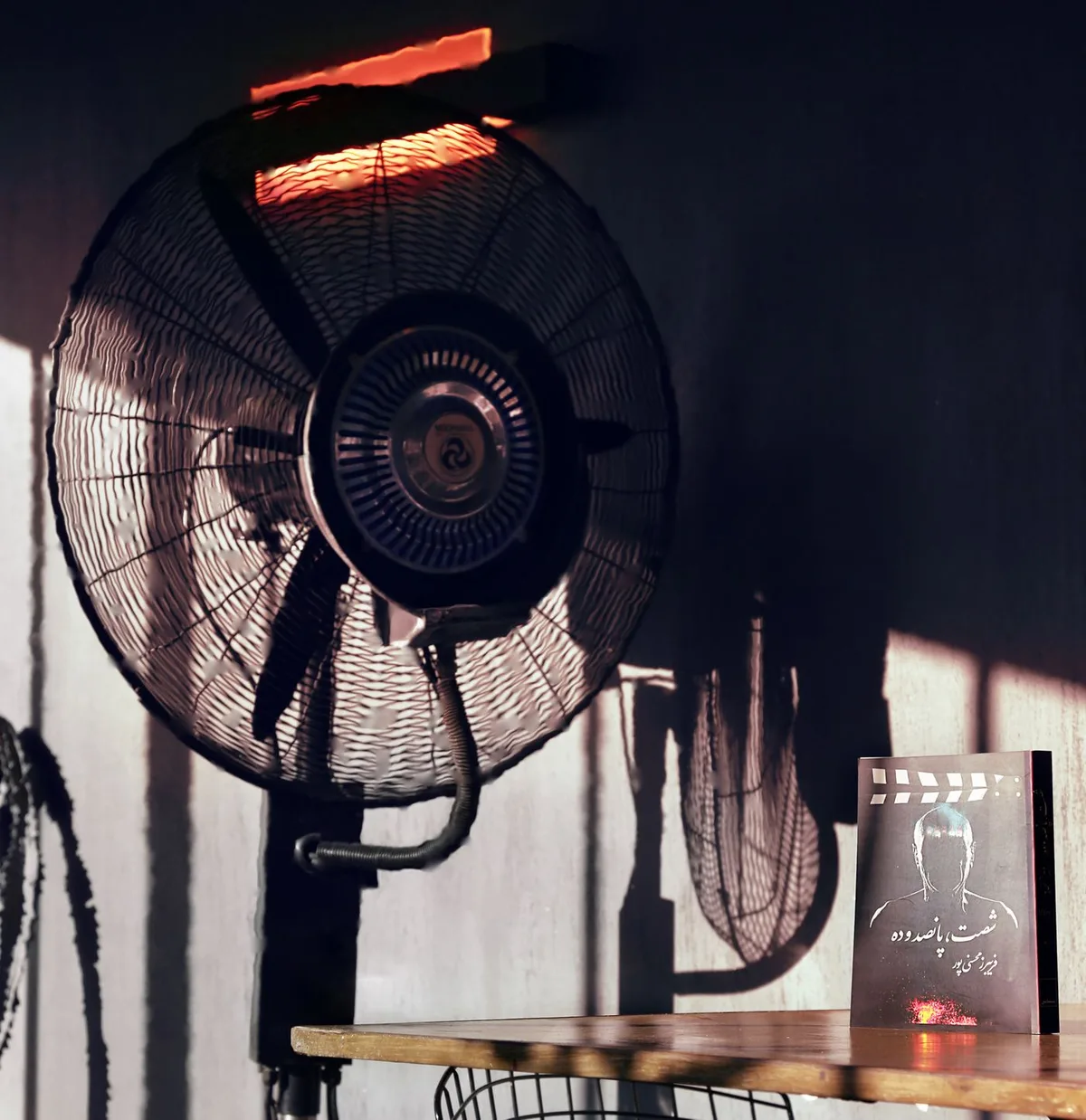
For a fan, useful questions include speed range, adjustable direction, oscillation, base stability, and whether the airflow reaches the seat or bed. A high airflow figure does not tell you how pleasant the lowest setting feels. For a purifier, start with particle CADR, coverage at a stated air-change rate, and the ongoing cost of the correct filters.
Ordinary fans do not have a rated particle-removal function simply because they circulate air. Likewise, a purifier's CADR is a particle metric, not a cooling rating. If a product combines fan and purification functions, ask for separate evidence for each: usable directional airflow for comfort and published filtration capacity for the intended room.
| Need | Useful appliance or action | What it does not establish |
|---|---|---|
| A breeze at a desk | Directional or circulating fan | Lower room temperature or particle removal |
| Airborne-particle filtration | Room-sized air purifier | Fresh-air delivery or complete gas removal |
| Both comfort and filtration | Separate devices or a documented combination | That one shared motor serves both equally well |
| Cooking emissions | Source control and outdoor-vented exhaust | That a purifier replaces the exhaust function |
Work through three everyday rooms
In a home office that becomes stuffy during an afternoon call, a small directional fan may be enough if the problem is feeling warm. But a fan circulating the same indoor air does not itself bring in outdoor air. If the issue is ventilation, inspect the room's ventilation options and outdoor conditions instead of using the breeze as evidence that the air has been refreshed.
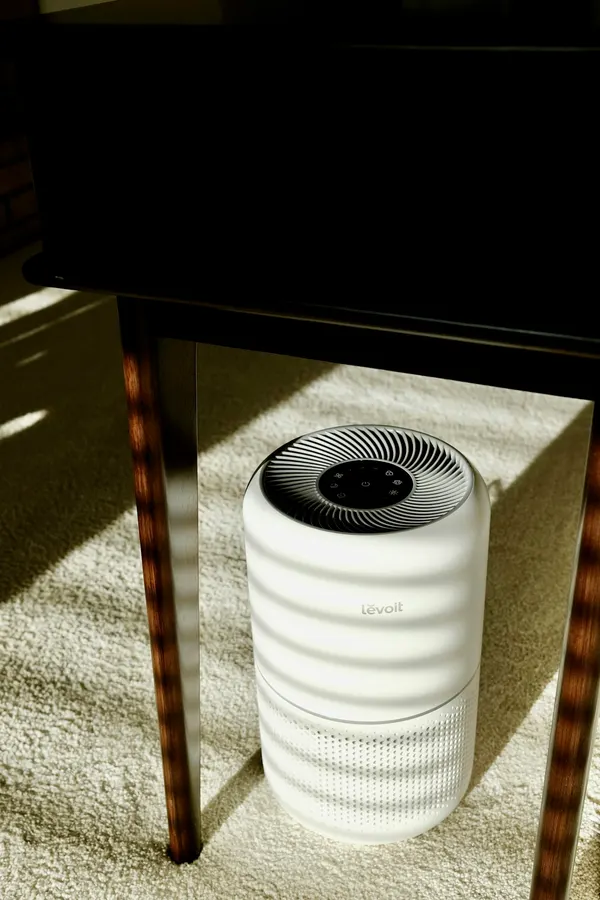
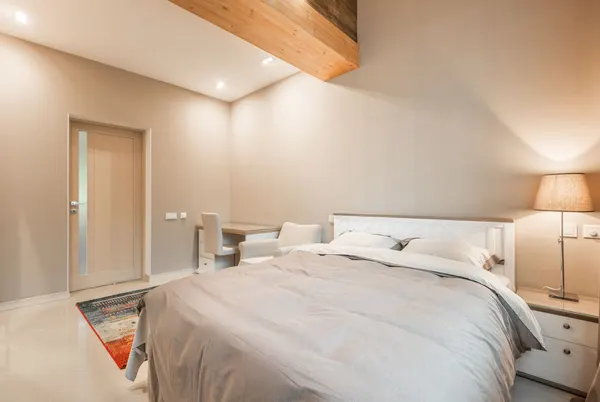
In a bedroom where the priority is filtering airborne dust or pollen, choose a purifier for that room's volume and a speed you can tolerate overnight. Levoit Vital 200S-P, Blueair 311i Max, and Coway AP-1512HH are examples to compare by their published filtration specifications. This is a shortlist of models to research, not a claim that we tested them.
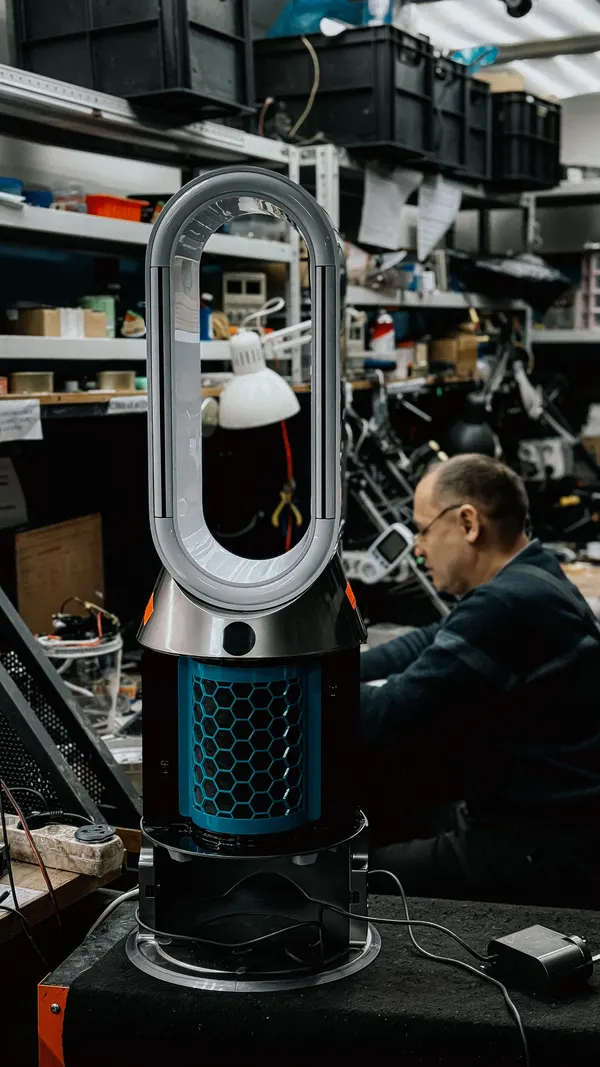
In a warm living room with a separate particle concern, two devices can make sense: aim the fan for comfort and place the purifier where its airflow is unobstructed. Keep each device's job clear. You may find that separate controls and replacement options are easier to live with than paying more for a combined appliance.
Avoid the smell and smoke shortcuts
Neither moving air around the room nor capturing particles solves every odor. EPA distinguishes particle filters from gas-removal media, and identifies source control and ventilation as core measures. Use the kitchen's outdoor-vented exhaust where available, deal with a damp source, and follow appropriate local guidance during outdoor smoke events.
Opening a window is not automatically the right answer when outdoor air quality is poor. A window fan intentionally exchanges air, while a pedestal fan mostly circulates it; the two setups deserve different decisions. Do not treat an air-quality color light on a purifier as a complete report on every gas or pollutant in the room.
Spend on the function you will use
Before buying, try moving an existing fan to the actual sitting position and check whether a gentler speed works. For filtration, verify that there is room for a purifier and access to its filter compartment. Add the appropriate maintenance: dusting fan guards as directed, or cleaning pre-filters and replacing disposable purifier filters.
Choose a combined unit only after its separate capabilities meet your needs. Shared floor space can be valuable in an apartment, but a premium design should not distract from missing CADR, awkward cleaning, or an airflow direction you dislike. Our recommendation is functional: buy a fan for a breeze, a purifier for documented particle filtration, and both only when both jobs exist.
The considered choice
Match the purchase to the job: a directed breeze for personal comfort, documented filtration capacity for particles, and a ventilation plan for fresh air.
Put the guide to work
Take your measurements and must-have list with you. These retailers are useful places to compare options; check the exact listing, current price, delivery terms, and return policy before buying.
Levoit
Air purifiers and humidifiers for room-by-room home comfort.
Explore Levoit ↗Opens the retailer’s websiteBlueair
Air purification products with room-size and filter information.
Explore Blueair ↗Opens the retailer’s websiteCoway
Air purifiers with published CADR, room, and filter specifications.
Explore Coway ↗Opens the retailer’s websiteA few common questions
Does an air purifier cool a room?
A conventional purifier is not an air conditioner. Its airflow may be noticeable nearby, but its filtration rating does not describe temperature reduction.
Can I use a fan and purifier together?
Yes, with appropriate placement and clearances. Keep both air paths unobstructed and choose each device for its own purpose.
Is a box fan with a filter the same as an ordinary fan?
No. A deliberately designed DIY air cleaner adds filtration and has specific construction and safety considerations. EPA publishes separate guidance; do not improvise an attachment based only on this comparison.
Sources & further reading
- DOE: Energy Saver home cooling guide — checked 2026-10-03
- EPA: Air Cleaners and Air Filters in the Home — checked 2026-10-03
- EPA: DIY Air Cleaners — checked 2026-10-03
- Levoit: Vital 200S-P published specifications — checked 2026-10-03
- Blueair: Blue Pure 311i Max technical specifications — checked 2026-10-03
- Coway: Airmega Mighty AP-1512HH specifications — checked 2026-10-03
This is a research-based buying guide. We do not claim hands-on testing of the products linked here. Product details and availability can change. How we work · Suggest a correction